
Jeokto CEO Kim Seong-bin writes branding book
Kim Seong-bin, CEO of Jeokto Fermented Grill, will publish 'Off Track (Atypical),' a book on his experiences in entrepreneurship, branding and business sales across several industries, on Dec. 1.
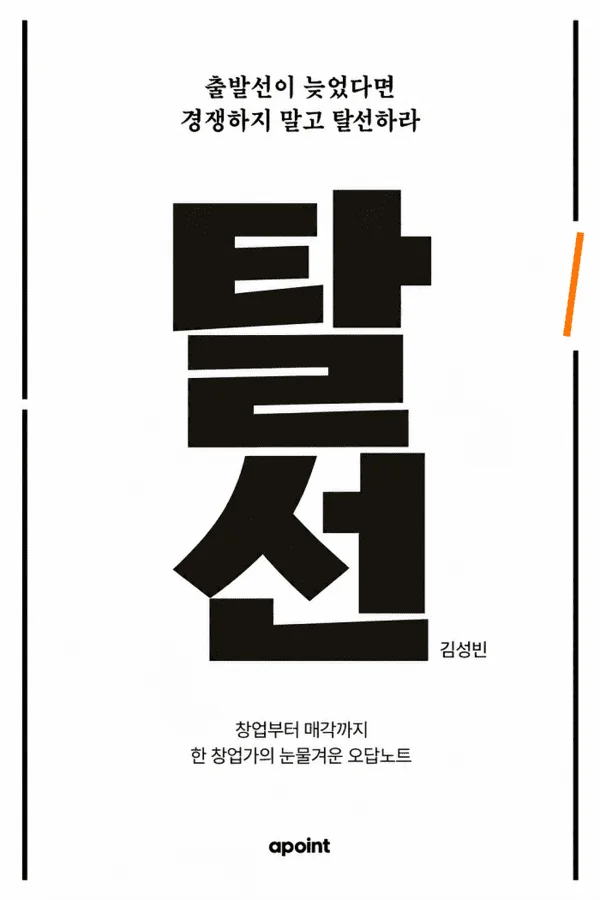
Kim Seong-bin, CEO of Jeokto Fermented Grill, who has started businesses in fields ranging from travel backpacks to coffee and restaurants, will publish a book on Dec. 1 about his experiences building brands and selling businesses.
The new book, 'Off Track (Atypical),' explores how to discover consumers' hidden desires and turn them into a brand's points of differentiation, rather than following existing patterns of market competition.
The author explains that the starting point of branding is not only improving a product's function and quality, but also understanding what desires consumers have and what images they respond to.
The travel backpack brand 'Ambitionem' is an example of this approach. Noting that travelers want to show off their travel experiences, the author introduced backpacks with world map designs. In marketing, rather than asking influencers to promote the products directly or post purchase links, he chose to encourage voluntary interest from consumers.
The coffee brand 'Ouya Espresso Bar' targeted consumers who do not like highly acidic coffee and built its menu around a single bean. The book also describes how he sold the brand about one year and three months after its launch, following the opening of its first store in Hapjeong, Seoul, in September 2020.
Through his current pork belly brand, 'Jeokto Fermented Grill,' he shares his experience of building a brand identity using menu names and the keyword "fermentation."
The book does not focus only on brand building and sales. It also discloses problems he faced as an entrepreneur, including business failures, a trademark dispute that arose after a sale and the departure of colleagues, while examining the relationship between branding and management decisions.
The book is divided into two parts. Part 1 covers his experiences from starting businesses to selling brands, and Part 2 contains 31 essays on themes such as deficiency, opportunity, decision-making and happiness.
During his university years, Kim founded a group called 'People Who Enjoy Failure' and ran failure lecture meetings and the 'Failure Road' project.


Comments 0